Don’t Be Those People: A Hawaii Ocean Safety Lesson
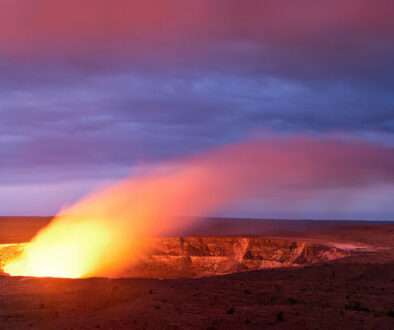
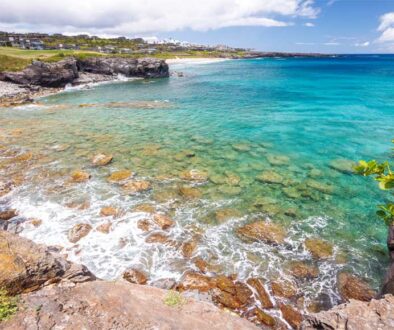
Hawaii’s coastline is incredible, and some of its most stunning shoreline is formed by lava shelves, rocky points, sea cliffs and blowholes. The Hawaiian Islands themselves were built by volcanic activity, and in many places you can see that history written right into the landscape. However, these beautiful places can also be dangerous. We see it on social media, on the news, and with our own eyes. People venture out onto lava shelves for a better view, move closer to blowholes for better photographs and videos, stand on rock walls as waves wash over them, or walk right past posted signs and barriers. We get it: Hawaii is breathtakingly beautiful, and it’s human nature to want to get close to something extraordinary.
The problem is that the Pacific Ocean surrounding Hawaii is powerful and unpredictable. Getting too close in the wrong place can cost you your life, or put the life of someone who has to rescue you at risk.
When you’re standing on a lava shelf, rocky ledge or sea wall watching waves come in, there is one thing you cannot know: how large the next wave will be. The last ten waves tell you only what the last ten waves did. They don’t guarantee what the next one will do. Waves arrive in groups, with larger sets sometimes following periods of relatively calm water. Hawaii Ocean Safety warns about the variable nature of wave groups and lulls and the possibility of waves suddenly coming over rocky ledges even when the water appears somewhat calm.
Don’t underestimate what moving water can do, either. A wave doesn’t need to tower over you to knock you off your feet.
Hawaii’s waves travel enormous distances across the Pacific, and unlike many mainland beaches, there is no continental shelf surrounding the islands to gradually dissipate their energy before they reach shore. Even relatively small surf can arrive with tremendous force.
Are the rocks already wet?
If you’re looking at a stretch of lava that has been soaked by waves, the ocean has already shown you that it reaches there.
Being swept off the rocks isn’t the whole emergency. Now you have to get out of the ocean.
There may be no sandy beach to swim toward and walk back onto. You may find yourself in moving water below a rock ledge, trying to climb back onto wet, extremely slippery lava rock while waves continue breaking against it. Those waves can push you back into the water or slam you against the rocks. You can be badly cut or injured, hit your head and become disoriented or unconscious, or be carried away by the current from the point where you were swept in.
Hawaii is fortunate to have some of the finest lifeguards, firefighters, ocean-rescue professionals and local watermen in the world. Many stories that could have ended in tragedy don’t, because one of these men or women reaches someone in time, but they don’t all end that way.
Every rescue also requires another human being to work in the same dangerous conditions that created the emergency in the first place. A photo or Instagram post isn’t worth that.
Hawaii Ocean Safety advises calling 911 rather than entering dangerous surf yourself if you see someone swept into the water, because one victim can so easily become two.
Blowholes deserve their own mention because the danger isn’t limited to a wave sweeping across a rock shelf.
A blowhole exists because ocean water is being forced through openings and channels in the rock. That water can erupt with enough force to knock someone off their feet, while the surrounding rock can become wet and extremely slippery. A person can be swept toward the ocean or even into the blowhole itself as the water recedes. Fatalities have occurred at Hawaii’s blowholes, which is reason enough to take the barriers and warning signs around them seriously.
You don’t need to get closer than the designated viewing area to appreciate a blowhole. Give it space and let the ocean put on the show from where you’re supposed to be watching it.
See it. Photograph it. Respect it.
None of this means you should avoid Hawaii’s rocky coastline. Quite the opposite! Stop at the lookouts, watch the waves crash against ancient lava, see the blowholes and take the photographs. These are some of the landscapes that make Hawaii unlike anywhere else on earth. Just don’t risk your life for a slightly better vantage point.
Pay attention to posted signs, fences and barriers, stay back from wet rocks and breaking waves, keep your eyes on the ocean and give the water more room than you think it needs.
And remember: seeing someone else standing somewhere doesn’t mean it’s safe for you to stand there, either; it only means they made the decision to do it.
Keep in mind that you won’t find a barrier, warning sign or lifeguard at every potentially dangerous stretch of coastline. Sometimes there will be nothing telling you where you should or shouldn’t stand, so use common sense. The ocean surrounding Hawaii is extraordinarily beautiful. It is also extraordinarily powerful. Enjoy it, respect it, and never assume you know what the next wave is going to do.